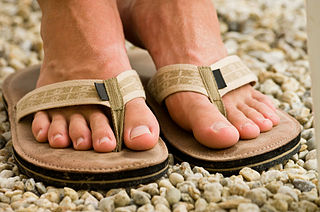
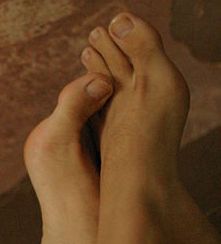
How To Get Rid Of Dry Peeling Skin On Feet

In one of my previous posts, I wrote on cracked skin around the toes. Today, we will be looking at how to get rid of peeling skin on feet.

It may surprise you to know that sometimes dry cracked skin may develop at the soles and heels of your feet. And this could lead to peeling heels and soles of the feet.

Fungal infection could be responsible for this kind of foot condition. And athlete’s foot is a kind of fungal infection that could be responsible or result in this kind of fungal infection especially when you experience itching in the affected part of the feet.


How To Get Rid Of Dry Peeling Skin From The Soles And Heels Of Your Feet


Below , you shall learn or find out how to get rid of dry peeling skin from the soles and heels of your feet.
  • Try home remedies, it helps to get rid of peeling skin at the soles and heels of the feet. One way to do this is to soak your feet for about 10 to 15 minutes in a mixture of water and apple cider vinegar. Do this two times daily until you begin to see improvement on the feet. This Post on how to get rid of dry, cracked and peeling skin on feet can be of help.

  • Sometimes foot peeling at the soles and heel of your feet could be as a result of athlete’s foot. Athlete’s foot is a fungal infection that most affect the feet. I wrote several post on athlete’s foot in the past. Read this post on how to get rid of athlete`s foot.

  • Some kind of eczema can also cause peeling skin on the feet. If you suspect it to be eczema or have symptoms of eczema, then you can try these tips to stop the peeling. Firstly, try to moisturize the feet daily immediately after bathe or after washing the feet, as it works best when the feet is damp. Secondly, put on materials that do not irritate the skin of your feet. This is because some eczema are caused by irritation of the skin. For instance, if you noticed that your irritation is as a result of your footwear, then you must do something about it. Put on socks made of cotton or any other material or combination of other material that  do not cause irritation of the skin. This also applies to your shoes. Leather shoes are appropriate here.
Other skin condition could as well cause the feet to peel. But it is advisable to visit your Doctor to properly examine your feet to determine the actual cause of your foot peeling and to proffer the best treatment for the condition.
Share:

Natural Ways To Treat Dry, Cracked And Peeling Feet

No one wants dry feet. There are conditions that could cause the feet to dry. But, when the feet dry out, it may crack leading to sometimes peeling. I wrote about the causes of dry feet in the past. You can read it to learn about the possible conditions that could cause it and how to prevent it.

When the feet cracks and peels, it gives room for bacterial and fungus to gain access to the feet and attack it, thereby making the condition of the feet worse.

Do you experience dry, cracked and peeling feet? Don't worry as something can be done about it naturally to treat the condition and get your feet back to a smoother skin.


How To Get Rid Of Dry, Cracked And Peeling Feet


Below are some of the ways you can naturally treat dry, cracked peeling feet.
  • Use pumice stone to gently remove dead skin from the feet. Don’t exfoliate too deep and if you feel pain, stop. Pay attention to the heels and the balls of the feet as these are the areas liable to cracked feet.

  • Wash your feet daily. Use anti bacterial soaps or any other antibacterial foot wash to wash the feet. This is to prevent bacterial from entering the feet through those openings caused by cracked condition of the feet. Don’t forget to dry feet by patting gently with a clean uninfected towel.

  • Moisturize feet daily with a good moisturizing cream. You can do this after wash when the feet is still damp. By moisturizing, you are locking up moisture in the feet. If you lay your hands on any moisturizing cream, you can try Vaseline or petroleum jelly. For best result apply at night and cover your feet with socks to ensure the moisture is properly locked in the feet. In the morning, remove socks. Do this daily, sand within a short time, you start to see result.

  • Aside external moisturizing of the feet; also moisturize internally by drinking enough water required by the skin.
Share:

Daily Routine To Soften Dry Rough Feet

The skin on the feet does get dried naturally than any other part of the body. When you have dry rough feet, action must be taken to soften and get the feet back to its previous state.

Dry rough feet could occur as a result of long winter in socks and also exposing of the feet to long summer months. Exposing the feet or wearing sandals can be difficult for someone with dry and rough feet largely due to the way it looks.


How to soften rough feet at home


Below are daily routine to soften dry rough feet.
  • Wash your feet or take a shower.

  • Soak your feet for about 10 to 15 minutes to soften the skin on the feet. Do this in a foot tub or any basin, bowl or container that can comfortably contain or accommodate your feet. If the container you are using cannot contain your feet, then you can soak one foot at a time. When soaking the other foot, you have to replace water or add more warm water to the existing water.

  • After soak, pat your feet dry and use pumice stone to remove dead skin from the feet. Pay attention to the balls and heels of your feet.

  • Apply a good moisturizing cream on the feet. There are several over the counter foot moisturizing cream you can use on the foot. If you cannot lay your hands on any of them, you can use Vaseline, vegetable oil or petroleum jelly on the feet.

  • To ensure that the moisturizing cream or moisturizer which you have applied on the feet stays on the skin, then wear socks. A pair of socks preferably cotton socks when worn on the feet after applying moisturizer will help to lock in moisture in the feet. For better result you will have to do this at night, so that you have to wear the socks overnight.

  • In the morning, remove socks and reveal a more improved and softer feet.

When done daily, this routine will help to softer dry rough feet.
Share:

How To Soften Dry Toes?

The toes of the feet could get dry during long winter months and also exposure to long summer months. Dry toes may be as a result of fungal infection. Athlete’s foot could be responsible for this. You can contact your doctor or podiatrist if you suspect you have this condition.

How to soften skin around toenails


If you dry feet is not fungal infection, but just mere dry toes, then you can follow the tips below to soften the skin around your toenails.
  • Wash your feet. You can see this post on how to keep your feet clean at all times.

  • Soak your feet for about 10 to 15 minutes in a tub filled with warm water. If you cannot get a tub, use a bowl or basin that you can comfortably place your feet. Add some quantity of Epsom salt before soaking your feet.

  • Gently pat your feet dry and use pumice stone to remove dead skin from your toes. You can have someone do it for you if you finding it difficult to bend towards the toes or removing effectively the dead skin in that area. Since the feet have been soaked in warm water, exfoliation will be easier as the dead skin has been softened.

  • Rinse your feet with water and pat dry. Apply a moisturizing cream to the toes. Wear socks to properly lock in the moisturizing cream. You can also try Vaseline or petroleum jelly instead of moisturizing cream. You can do this at anytime of the day, but, I suggest you do it at night so that you don’t have to move around with socks especially if you have to go out. Instead of wearing socks you can sleep with a humidifier if you have one. If you are using humidifier, sleep bare footed  for best result.

Do the above daily until you start to see improvement. After sometime your toes will become soft and no longer dry again.
Share:

Foot Care For Dry Cracked Feet

Dry cracked feet is not what one would wish for. Wearing sandals becomes difficult because you don’t want people to see the embarrassing look on your feet. Apart from its embarrassing look, dry cracked feet can be painful.

If you are infected with dry cracked feet, never too worry as you can do something about it to get your feet into that smooth, soft skin, which will be free from pains and which you will want to show off. Below are some of the ways to get rid of dry cracked feet.


how to get rid of dry cracked feet

  • Exfoliate dead skin on the feet with pumice stone or foot file. Do this for about a minute and rinse feet with clean water. When exfoliating, concentrate on the part of the feet prone to cracks such as the heels and bottom or soles of your feet.

  • Soak feet in warm water for about 15 minutes. Make sure the water is not too hot so as not to cause damage to your feet. Add some quantity of Epsom salt, about half cup, to the water to help prevent inflammation. Add also some quantity or few drops of essential oil before dipping your feet into the water.

  • After soak, to prevent infection, wash your feet with antibacterial soap and pat gently dry. Alternatively is to rub antibacterial ointment on the feet especially the areas cracked.

  • Apply moisturizing cream on the feet when the feet are still damp. This will help to lock in moisture. Alternatively is to use petroleum jelly or Vaseline on the feet which work same way as moisturizing cream. In fact, it works more than some moisturizers.

  • After applying moisturizer, wear socks on the feet to ensure that moisture stays on the feet. It is advisable to do this at night so that you don’t have to go around with feet and socks full of petroleum jelly or Vaseline. In the morning, remove socks to see more different feet.

  • If you have humidifier and you don’t intend to put on socks or use the “socks method”, then sleep with the humidifier. This time, you are going to expose the feet so that it can absorb the water released by the humidifier.
Share:

Dry Scaly Feet: Causes, And Home Treatment

Dry feet is a condition of the feet caused by several factors. When the feet gets dried, it starts to crack. One area of the feet that often time get affected most is the heel.

In this article, you will learn the causes and ways to tackle or treat scaly feet at home.


What causes dry scaly feet?

  • One of the causes, which perhaps is the most common cause of dry scaly feet, is standing for a prolonged periods. Sometimes, the kind of work that you do may require you stand for a long time. An example is the military or paramilitary officer some of who stand for longer hours everyday. I know you may want to ask ‘why is it that most of them don’t have cracked feet?’. The truth is that, not all of them have the same feet! For instance, some feet are well moisturized and you know when the feet is moisturized, it could hardly get dry. When the feet is dry, after sometime, it cracks! When you stand for a long time at work or at home, especially on a hard floor, your skin becomes dry and when it does, it cracks!

  • Another cause of dry scaly feet is being overweight. When you are overweight, there is an extra pressure exacted on your feet. In other words, there is an increase in the weight your feet is supposed to carry. The extra pressure on your feet especially when your feet is dry can cause it to crack.

  • There are other skin conditions that could cause your feet to crack. A diabetic patient is at a high risk of having dry scaly feet. Other skin conditions are athlete’s foot, eczema and psoriasis. If you have any of these skin conditions, you have to be careful and pay attention to your feet.

Home treatment for dry scaly feet


Dry scaly feet can be treated and in some cases can be done at home. The following are ways to treat dry scaly feet at home.
  • Use pumice stone to remove dead skin especially when the dry skin is hard. Hard, dry skin can prevent product to stop dry scaly feet from working.

  • Apply foot cream with moisturizing effect on the skin of the feet. Alternatively, you can use vasaline or petroleum  jelly on the feet.

  • Wear socks so as to lock in the moisture on the feet. Wearing socks can also prevent moisturizing cream or the vasaline from staining your bed sheet. It is advised you do this at night or in the evening before going to bed so as not to start moving around with socks on your feet.
Share:

Foot Peeling In Children: Causes And Treatment

When people talk about foot peeling, they often sometimes refer to adult. But in actual fact, foot peeling can also occur in children.

Several factors or reasons could be responsible for feet peeling in children. The most common among them range from excessive sweating, dry skin on feet, medication, and so on.

In this article, you shall learn the causes and possible treatment of feet peeling in children.


Causes of feet peeling in children


There are several causes of peeling feet in children. Below are some of them:
  • Athlete’s foot: Athlete’s foot is a fungal skin infection that often affects the feet. It often affects the areas around the toes. Children with athlete’s foot can also experience foot peeling. Read this post to learn how to prevent athlete's foot in children.

  • Dry Feet: Dry Feet is another cause of kids feet peeling. In fact, it is very common among children. For more information on how to tackle dry feet see this article on how to stop dry feet.

  • Weather condition:  The type of weather condition of a place can affect a great deal the skin. When the weather is cold such as in winter, the skin sometimes gets dehydrated and become dry. Also during hot weather conditions such as in the tropical regions, the skin also loses moisture due to excessive heat. During the harmattan period, the skin gets dry and starts to peel off.

  • Excessive sweating: Excessive sweating on the long run can cause the feet to peel in children. For instance, when a child who sweats a lot put on shoes for a prolonged period especially shoes that do not allow the feet to breathe, sweat is trapped. When the feet remain persistently wet, it causes the feet to peel.
Share:

Foot Problems Common With Diabetes

For those with diabetes, they have to be careful as certain foot problems are usually associated with diabetes. Even though the foot problems listed below can affect anybody, diabetic sufferers should understand that having of these could cause a serious problem for them and which can lead to amputation. In this article, I will share with you some of the foot problems common with diabetes.


Athlete’s foot: This is a fungal infection that affects the feet. It causes itching, cracking which can be red. Diabetes sufferers should treat athlete’s foot when they occur to avoid any complication. Contact your doctor for proper examination and treatment.


Calluses: This is a condition of the foot which result in the building up of hard skin usually underneath the foot. Calluses can be caused by skin abnormality, improper shoe fitting and uneven distribution of weight on the feet. There are foot care tips that will help you get rid of calluses. It is important that you discuss this with your doctor.


Dry skin: Dry skin can result in cracking which create a path way for germs to enter the feet. Diabetic neuropathy could cause this condition.


Foot ulcers: Foot ulcer is an open sore on the feet which can cause infection. This sore which can be deep; heal slowly. Diabetics should treat foot ulcers early when they notice it.


Corns: A corn is a hardened part of the skin of the feet usually close to the toes or between toes. This can occur as a result of repeated friction between toes or between the shoes and your toes.


Ingrown Toenail: This occurs when the sides of the nail grow inward into the skin. This usually causes pain, swelling and infection can occur. You can check out this post on ingrown toenail to learn the causes, prevention and treatment for ingrown toenail.
Share:

Athlete’s Foot Treatment In Elderly Adults

Athlete’s foot is a condition of the foot that can affect any individual irrespective of their age or whether they are athletes or not. Athlete’s foot is quite common in elderly adult probably due to poor hygiene and poor health.

If you have an elderly adult or you are in charge of taking care of elderly adults and they are complaining about itching especially in the areas between the toes, then it will be wise to check the feet for signs of athlete’s foot.

Some of the signs of athlete’s foot include itching, burning sensation, pain, odor due to bacterial infection of the skin, dryness of the soles, cracked skin may occur.

Athlete’s foot in elderly adult is very different as a result of reduce or loss of feelings in their feet, weaken immune system. When an elderly adult starts complaining of itching and scratching of the feet, it could be far more complicated foot problem.

The best thing to do in this situation is to take your elderly to a podiatrist to properly check the foot to determine whether it is athlete’s foot or not. This is necessary because it may not only be athlete’s foot, there could be other foot condition besides athlete’s foot. After examination, a podiatrist could as well offer the right treatment for the condition.

In case of mild infection, over the counter (OTC) athlete’s foot medication may be proper.

Ordinarily, some cases of athlete’s foot go away without treatment. In most cases, this is not so in elderly adults as they usually notice the condition especially when it has gone to an advanced stage which will become difficult to go on its own, even with the use of some over the counter medication. This is why it is always advised to see a podiatrist for proper foot examination. Using over the counter medication should be temporary especially if you find it difficult to get access to a podiatrist.

To prevent athlete’s foot from developing to an advanced stage, it is wise to always check the feet of the elderly from time to time and also, take them to a podiatrist regularly. In other words, give the best possible foot care to your elderly adults.
Share:

Why Do Your Feet Fall Asleep? And What To Do About It

Have you sat for a long time and when you want to get up, you suddenly feel a strange sensation in your feet as though the feet asleep. Yes, you have! Everyone has experienced this feeling at one point or the other in their life.

Asleep foot which is also known as paresthesia, is an abnormal skin sensations (as tingling, tickling, itching or burning). Its a feeling on the foot that can be annoying especially within the time it occur. It occurs on the foot as a result of pressure on one part of your foot which cut off communication from your brain to your feet. Interference with nerve pathway to the brain causes you not to have feeling in that part of the feet.


Foot falling asleep for a few minutes and becomes normal may not be a sign of serious health problem. It could be, if it occurs for a longer period or if it keeps occurring, as it could be a sign of possible nerve damage.

You don’t have to worry if your feet go to sleep as it occurs to almost everyone one in a while. If you get it, you can get relieve by following these tips.

  • Change position if you discovered that one of your feet starts to give you a strange sensation or feelings.

  • Get up and walk around. Once you move, your foot nerve pathway starts to flow normal. If you find it difficult to move around because the feet hurts, then just stand. With time it will become normal.

  • Contact your doctor if the condition last for more than 10 minutes or if it last over a long period. This is necessary as it could be a sign of a serious disease.
Share:

Search This Blog

Foot Health Info (2026). Powered by Blogger.

Recent Posts